Unveiling the Realities of Container Gardening: Limited Plant Variety and Stunted Growth
Share this article:
Understanding the Challenges of Container Gardening
Home gardening enthusiasts often encounter challenges when it comes to container gardening. While the practice offers flexibility and convenience, it also presents unique hurdles such as limited plant variety, space constraints, and concerns about plant growth. This article aims to address these common issues, providing practical solutions and strategies for successful container gardening.
Unlocking the Potential of Container Gardening
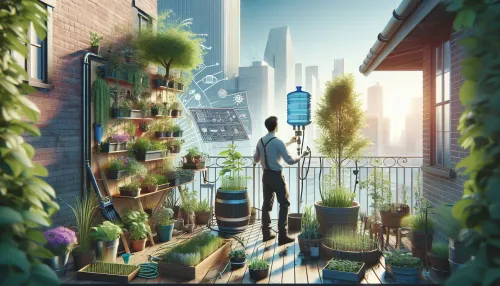
Container gardening has gained popularity for its adaptability to various living spaces. Whether you have a small balcony, patio, or limited yard space, containers offer the flexibility to grow plants in a confined environment. However, this method comes with its own set of challenges, primarily related to plant variety and growth limitations.
Fostering Healthy Growth in Container-bound Plants
The restricted root space in containers can sometimes stunt the growth of plants, impacting their overall health and productivity. To overcome this, gardeners can employ specific techniques to promote healthy growth, such as regular pruning, proper soil maintenance, and strategic positioning of containers to optimize sunlight exposure.
Choosing the Right Plants for Container Gardening
Choosing the right plants for container gardening is crucial for success. Not all varieties thrive in confined spaces, so its essential to select plants that are well-suited for container growth. Compact and dwarf varieties of vegetables, herbs, and flowers are ideal choices, as they adapt well to limited root space and can flourish in containers.
Creative Solutions for Space Constraints in Gardening
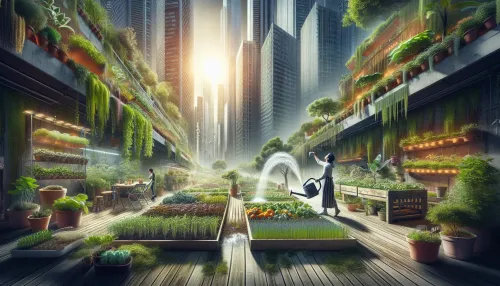
Limited space should not hinder your gardening endeavors. By utilizing vertical gardening techniques, hanging planters, and tiered container arrangements, you can maximize the use of available space and create a visually appealing, lush garden even in compact areas.
Nurturing a Diverse and Vibrant Container Garden
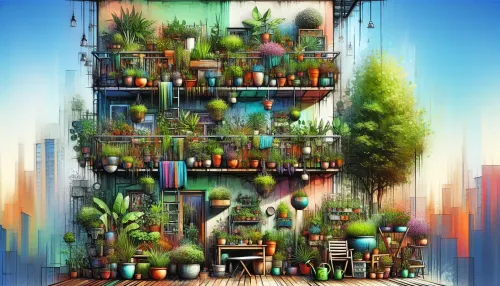
Diversity is key to a thriving container garden. Incorporating a mix of plants with varying heights, colors, and textures can create visual interest and enhance the overall appeal of your container garden. Combining ornamental flowers with edible plants not only adds aesthetic value but also serves a practical purpose by attracting beneficial insects and pollinators.
To maximize productivity in container gardening, consider companion planting techniques. Pairing compatible plant species in the same container can optimize space and resources, leading to higher yields and healthier plants. Additionally, regular fertilization and proper watering routines contribute to the overall productivity of your container garden.
Essential Watering and Drainage Tips for Containers
Proper watering and drainage are vital aspects of successful container gardening. Overwatering can lead to root rot, while inadequate drainage can result in waterlogged soil. Implementing a well-regulated watering schedule and ensuring that containers have sufficient drainage holes are essential practices for maintaining healthy plants in a container garden.
Myths About Root Bound Plants: What You Should Know
Contrary to common misconceptions, some plants can thrive even when their roots are bound within containers. By understanding the specific needs of different plant species and practicing regular root pruning and repotting, gardeners can successfully manage root-bound plants and prevent any adverse effects on plant health.
The Rewards of Successful Container Gardening
In conclusion, container gardening, despite its challenges, offers a myriad of opportunities for cultivating beautiful and productive gardens in confined spaces. By employing the right techniques and plant selection strategies, enthusiasts can overcome the limitations of container gardening and enjoy the rewards of a vibrant, flourishing garden right at their doorstep.
What are the main challenges of container gardening?
Container gardening presents several challenges, including limited plant variety, space constraints, and potential stunted growth due to restricted root space. These issues require careful planning and specific techniques to ensure successful plant health and productivity.
How can I promote healthy growth in container plants?
To foster healthy growth in container-bound plants, gardeners should implement techniques such as regular pruning, maintaining proper soil conditions, and positioning containers strategically for optimal sunlight exposure. These practices help maximize plant health and productivity.
What types of plants are best suited for container gardening?
For successful container gardening, it's essential to choose plants that thrive in confined spaces. Compact and dwarf varieties of vegetables, herbs, and flowers are ideal, as they adapt well to limited root space and can flourish within containers.
VerdeNook is more than just a source of gardening wisdom; it’s a platform for sharing, learning, and growing together. We invite you to join our community, share your stories, and spread the joy of gardening. Let’s sow the seeds for a greener, healthier, and more sustainable future, one garden at a time.