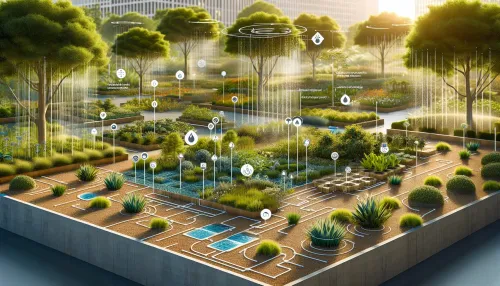
Grit & Greenery: Embracing Hardiness in Urban Gardening Encounters
Share this article:
Transforming Urban Areas into Edible Oases
Problem: Urban areas are often characterized by concrete landscapes that leave little room for traditional gardening.
Solution: Embrace container gardening. Utilize pots, planters, and vertical gardening systems to make the most of limited space. Choose compact varieties of fruits, vegetables, and herbs that thrive in containers. Additionally, consider using trellises and hanging baskets to maximize vertical growing space.
Maximizing Space with Vertical and Rooftop Gardening
Problem: Lack of horizontal space in urban environments can be a major obstacle for gardeners.
Solution: Explore vertical gardening techniques to make the most of limited space. Install vertical planters or create a living wall using hardy, low-maintenance plants. Additionally, consider rooftop gardening as a viable option for urban dwellers. Utilize raised beds or lightweight planting materials to create rooftop gardens that provide a green escape from the city below.
Improving Air Quality with Urban Planting Initiatives
Problem: Urban areas often face higher levels of air pollution, which can impact plant growth and overall garden health.
Solution: Select plants known for their air-purifying properties. Incorporate species such as spider plants, peace lilies, and snake plants that are effective at removing toxins from the air. Additionally, consider participating in citywide planting initiatives aimed at increasing green spaces and combating air pollution at a community level.
Creating Impactful Micro-Gardens in Limited Spaces
Problem: Limited outdoor space poses a challenge for those wanting to cultivate gardens in urban settings.
Solution: Embrace micro-gardening techniques. Utilize window boxes, balcony planters, and compact raised beds to create thriving micro-gardens. Focus on high-yield crops and space-efficient plants that can flourish in small areas. Additionally, consider incorporating edible flowers and dwarf fruit trees to maximize productivity in minimal space.
Building Community Through Shared Gardening Spaces
Problem: Limited access to individual garden spaces can hinder community engagement and shared gardening experiences.
Solution: Foster community gardens and shared green spaces where residents can come together to cultivate thriving gardens. These shared spaces not only promote social interaction but also provide opportunities for knowledge sharing and collaborative gardening efforts. Encourage communal ownership and participation in maintaining these green havens within urban neighborhoods.
Guerrilla Gardening: Beautifying Neglected Areas
Problem: Neglected urban areas may present opportunities for guerrilla gardening but come with their own set of challenges.
Solution: Practice guerrilla gardening responsibly by focusing on neglected public spaces that could benefit from greenery. Use hardy plants that require minimal maintenance and are well-suited to urban conditions. Seek permission when possible and collaborate with local authorities or community organizations to ensure the sustainability of these guerrilla gardening efforts.
Innovative Techniques: Hydroponics and Aeroponics in Cities
Problem: Limited access to traditional soil-based gardening methods may pose challenges for urban gardeners.
Solution: Embrace hydroponic and aeroponic gardening technologies that allow plants to thrive without soil. These innovative methods use water-based solutions enriched with nutrients to support plant growth. Explore compact hydroponic systems suitable for urban environments, creating opportunities for year-round cultivation without relying on traditional soil-based approaches.
What are some effective solutions for gardening in urban areas?
Urban gardeners can embrace container gardening by using pots and vertical systems to maximize limited space. Choosing compact varieties of fruits, vegetables, and herbs that thrive in containers is essential. Utilizing trellises and hanging baskets also helps optimize vertical growing space, transforming concrete landscapes into lush retreats.
How can urban gardeners improve air quality through their gardens?
Urban gardeners can select plants known for their air-purifying properties, such as spider plants, peace lilies, and snake plants. These species effectively remove toxins from the air. Additionally, participating in citywide planting initiatives can help increase green spaces and combat air pollution at a community level.
What is guerrilla gardening and how can it benefit urban areas?
Guerrilla gardening involves planting in neglected public spaces to enhance urban greenery. By focusing on hardy plants that require minimal maintenance, gardeners can beautify these areas. Collaborating with local authorities ensures sustainability, making guerrilla gardening a responsible way to improve the urban landscape and foster community spirit.
Green Thumbs, Bold Hearts: Tracing the Legacy of Women in Urban Gardening
Join
Loading...
Our Green Community!
Loading...
VerdeNook is more than just a source of gardening wisdom; it’s a platform for sharing, learning, and growing together. We invite you to join our community, share your stories, and spread the joy of gardening. Let’s sow the seeds for a greener, healthier, and more sustainable future, one garden at a time.