Navigating the Gray Zones: Ethical Dilemmas in Modern Home Gardening
Share this article:
Sustainable gardening starts in the soil, not the seed catalogue — feed the ground first and most of the other decisions get easier.
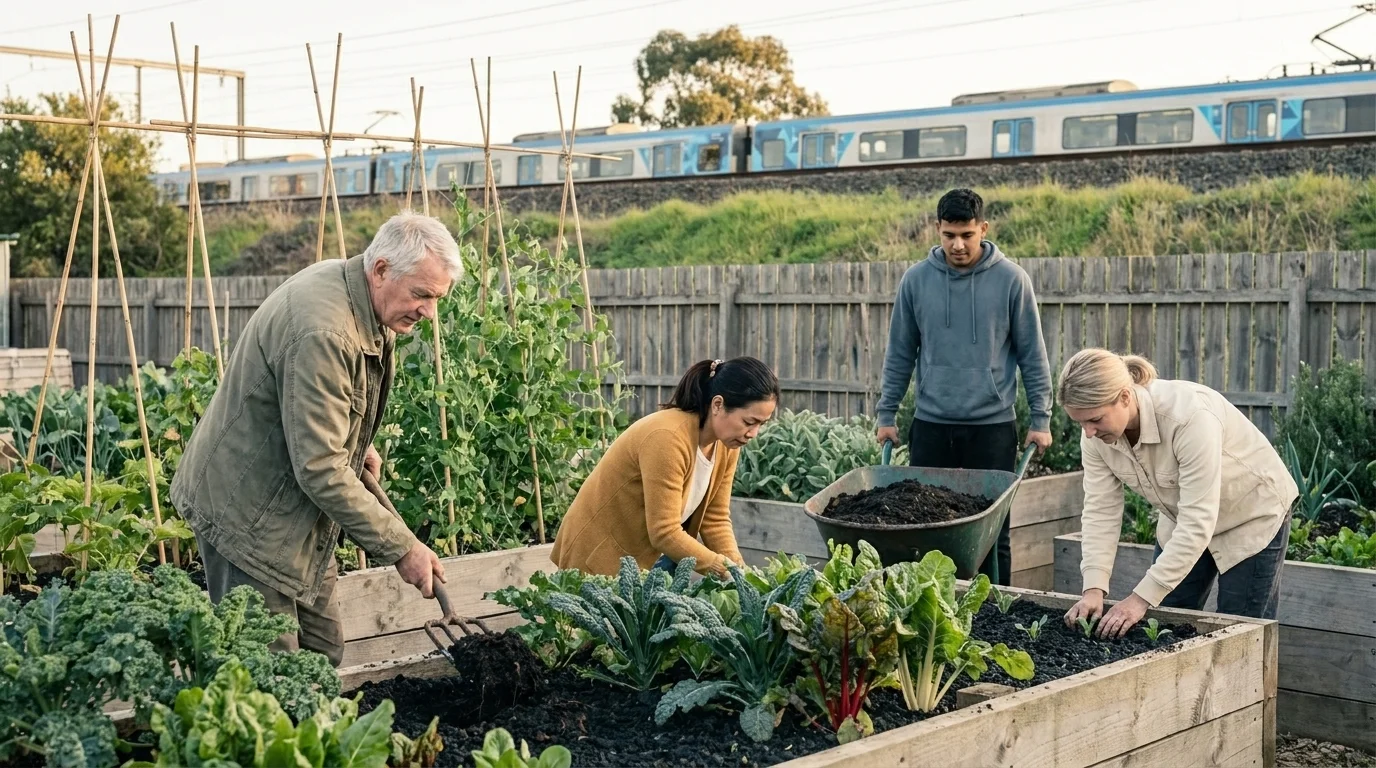
The community plot I help run sits on a strip of council land behind a train line in Brunswick, and it is entering its ninth season this year. On a good Saturday there are a dozen of us turning beds and arguing, in the best-humoured way, about pea varieties. Somewhere in those nine seasons the language changed. We used to talk about growing food. Now everyone wants to talk about sustainable gardening — the same beds, the same compost, the same arguments, but a word attached that carries more weight than it used to. It is worth asking what the word is actually doing, because the answer is the difference between a garden that performs sustainability and one that practises it.
What sustainable gardening actually means
For a long stretch a sustainable garden meant a tidy one with a water butt in the corner. That has shifted. The honest version of sustainable gardening treats the plot as a small system rather than a display — soil you feed instead of disturb, water you spend deliberately, plants chosen for the conditions you actually have, and a standing suspicion of any input you have to buy in a plastic bag. Eco-friendly gardening, in other words, is less a set of products than a set of habits, most of them about working with what the ground already wants to do.
That reframing matters because it reorders the priorities. If the garden is a system, then the soil comes before the seed catalogue, the water before the watering can, and the question of who has access to a quarter-acre and a Saturday afternoon sits underneath all of it. None of the practices below is new. What is new is the willingness to treat them as a single argument rather than a checklist of virtues.
Loading image...
The plot as a system, not a display: nine seasons in, the compost, the beds and the people are the argument — and the labour rarely shows on the harvest.
Watering wisely, before it becomes a crisis
Water is the input people notice first, usually in the second week of a heatwave. The three old answers still hold, and they hold for a reason. A layer of organic mulch over bare soil cuts evaporation and means you water less often, not more thinly. Drip irrigation delivers water to the root rather than the air, which is where a sprinkler loses most of it. And a rain barrel on a downpipe banks the water that would otherwise run off your roof and into the stormwater drain.
What has changed is the framing. The current term for all of this is water-wise gardening, and at its sharper end, xeriscaping — designing the bed around drought-tolerant planting so that the irrigation is a supplement, not a life-support machine. The shift is subtle but it changes the order of operations: you choose plants that suit a dry summer first, then water the gap, rather than choosing thirsty plants and then bargaining with the hose.
Building soil without digging it
The largest change in home growing over the past few years is the quiet retirement of the spade. No-dig gardening — layering compost and organic matter on top of the existing soil instead of turning it over — has gone from a fringe enthusiasm to a headline practice. The case for it is structural: digging shatters the fungal networks and the architecture that the soil builds over a season, while leaving the ground undisturbed preserves soil structure, boosts microbial life and reduces erosion, and the approach is especially effective for vegetables and perennials.
There is an honest catch, which is that no-dig is not no-work. It is a trade: you spend the labour up front, sourcing and carting the compost to mulch the surface, in exchange for less weeding and less watering later. On our plot the year we stopped turning the beds was the year the arguments about the rotary hoe finally stopped, and the soil, by the second season, was visibly darker and easier to plant into. Counting the hours, it is roughly a wash. Counting the soil, it is not close.
Composting that actually works
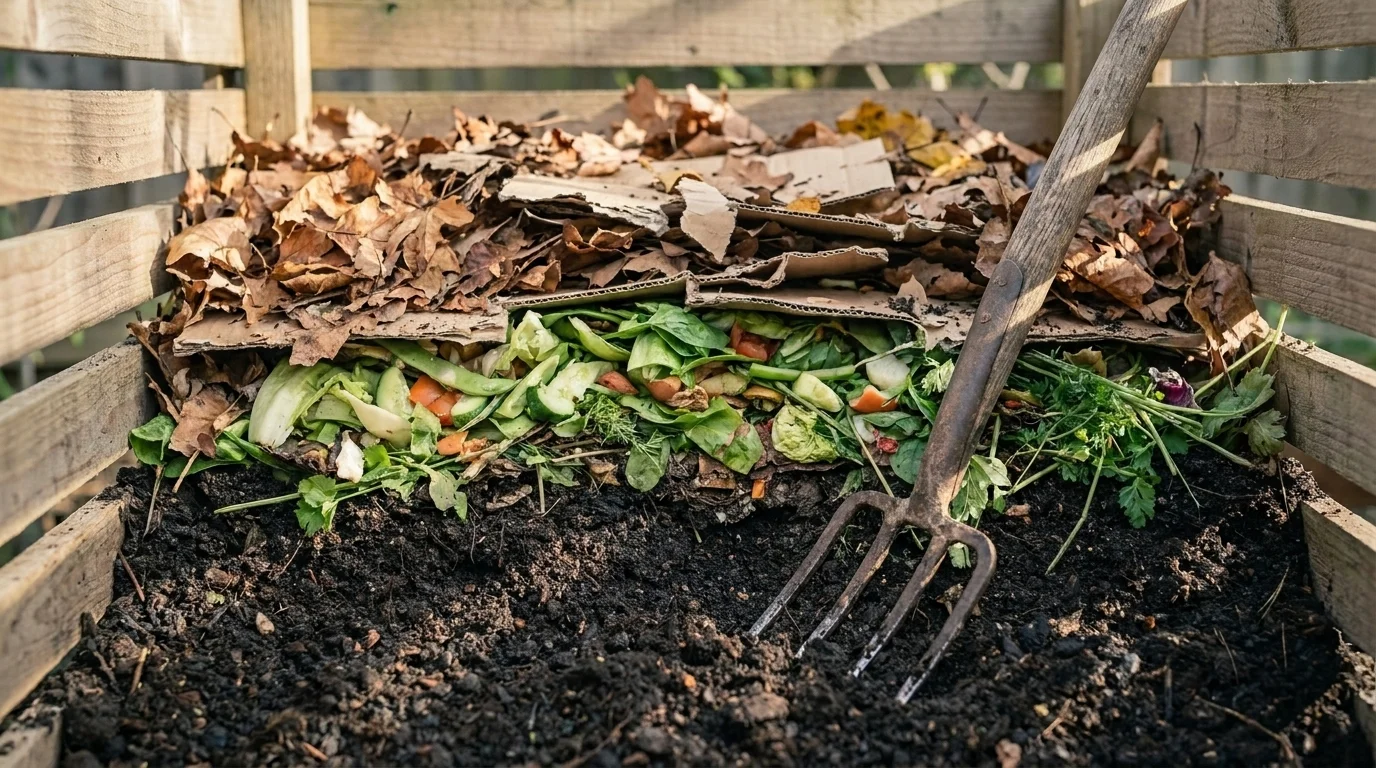
Every sustainable garden eventually runs on its own compost, and this is where the generic advice — "balance your greens and your browns" — quietly fails people, because it never says how much or how long. Here is the version with numbers.
Roughly 25–30 parts browns to one part greens and the pile heats itself to 130–140°F — the generic 'balance greens and browns' never tells you how much.
Organic pest control, without the wishful thinking
There is a comfortable myth that because a pesticide is "natural" it is therefore harmless. It is the wrong assumption — a botanical spray can be broad-spectrum enough to take out the beneficial insects along with the pest. The sustainable answer is not a gentler bottle; it is integrated pest management, which treats the spray as the last resort rather than the first reach.
Companion planting earns its place here too, and not as folklore. French and African marigolds release a root exudate that suppresses the root-feeding nematodes that quietly stunt tomatoes and beans — a chemical defence the plant runs for you, underground, for the price of a packet of seed. The pattern across all of it is the same one no-dig teaches: the cheaper, slower, structural intervention usually beats the bottle.
Planting for the things that aren't us
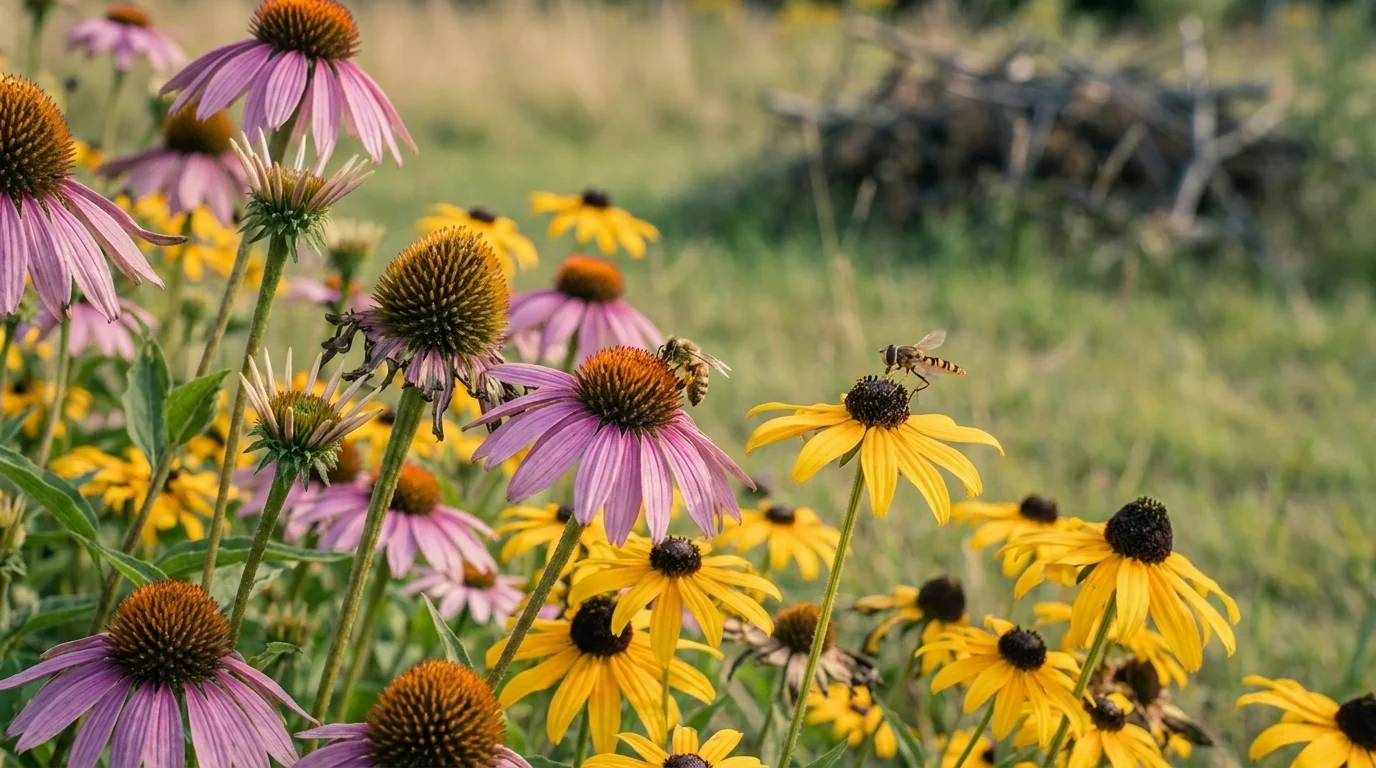
The thinnest section in most garden guides, and in the version of this article I am rewriting, is the one about who else the garden is for. A productive vegetable bed is still a monoculture from a bee's point of view. The correction is native plants — species adapted to your local conditions, which need less water and less feeding, and which feed the pollinators that evolved alongside them.
The argument for natives used to be aesthetic or sentimental. It is now measured. Strips of native prairie planting show roughly three times the flowering-plant richness and six times the floral abundance for pollinators compared with conventional crop edges, and a diverse native community can do more for pollinator visitation than chemical exposure does against it. In practice this is the least demanding upgrade on the list: swap a patch of mown turf for a bed of local flowering natives, leave a brush pile in a corner, and the garden starts supporting a population it was previously just borrowing space from.
Loading image...
Native plantings carry roughly three times the flowering richness and six times the floral abundance for pollinators — the least demanding upgrade on the list.
Seeds, and the things you can't fully own
The heirloom-versus-hybrid argument is older than any of the trends above and does not resolve cleanly. Heirloom and open-pollinated varieties carry genetic diversity and let you save seed from one year to the next, which is the oldest form of seed sovereignty there is. Disease-resistant hybrids, in return, can reduce how much you have to intervene with sprays. A sensible plot runs both: open-pollinated lines you save and share, hybrids where a specific disease keeps beating you. The only thing worth being deliberate about is favouring varieties you are allowed to propagate — the freedom to save next year's seed is part of what makes a garden a garden rather than a subscription.
The labour you don't see
I said at the start that the question of who gets to garden sits underneath all of this, and it does. Behind every thriving plot are hours that never appear on the harvest. A kilogram of home-grown lettuce, costed honestly against the time it takes, rarely beats the supermarket — and that has never once been the reason anyone keeps doing it. The case rests elsewhere: on the dignity of the plot, on a skill that cannot be outsourced, on feeding someone you know from soil you have tended.
Which is why the most sustainable thing a gardener can do is rarely a product. It is to connect with a local allotment or community-garden group, to pass on a skill or a division of a plant to someone just starting, and to be honestly sceptical of the eco-labelled bag that promises to do the work for you — reading for a real certification rather than a green logo. Sustainable gardening, in the end, is less a set of purchases than a long argument with the ground, conducted over seasons, in the company of whoever turns up on Saturday. The argument about pea varieties on our plot shows no sign of being settled, and that is almost — but not quite — the whole point.
What are effective ways to conserve water in home gardening?
To conserve water in home gardening, consider using mulching to retain soil moisture, implementing drip irrigation for targeted watering, and harvesting rainwater with barrels. These practices help reduce water waste while ensuring your plants receive the hydration they need.
How can I choose between heirloom and hybrid seeds?
Choosing between heirloom and hybrid seeds involves balancing biodiversity and food security. Support heirloom varieties to preserve genetic diversity, while incorporating disease-resistant hybrids to minimize chemical use. This approach ensures a sustainable garden that contributes to both ecological health and food production.
What should I consider when using organic pesticides?
When using organic pesticides, it's crucial to educate yourself about their impacts. Implement integrated pest management (IPM) strategies that prioritize preventive measures and biological controls, using organic pesticides only as a last resort. This helps maintain ecological balance while protecting your plants.
How can I engage positively with my gardening community?
Engaging positively with your gardening community involves respecting public pathways and initiating open discussions with neighbors about your gardening practices. By being considerate of communal spaces and addressing any concerns, you can foster harmony and collaboration within your local gardening environment.
What are the ethical considerations for composting?
Ethical composting requires balancing nutrient cycling with waste reduction goals. Combine nitrogen-rich greens with carbon-rich browns for optimal compost quality, and avoid composting materials treated with harmful pesticides or herbicides. This ensures that your compost is safe and beneficial for the environment.
How can I identify genuine eco-friendly gardening products?
To identify genuine eco-friendly gardening products, read labels critically for third-party certifications and transparent ingredient lists. Research the brand's environmental commitments and practices before purchasing. This discernment helps support authentic sustainability efforts in the gardening industry.
What is sustainable gardening?
Sustainable gardening is a systems approach that works with nature rather than against it — conserving water, building healthy soil without tilling, choosing climate-adapted and native plants, and minimising chemical inputs so the garden supports wildlife and stays productive year after year.
What are the most important sustainable gardening practices?
The core practices are water-wise irrigation (mulching, drip, rainwater harvesting), no-dig soil building, composting kitchen and yard waste, integrated pest management with organic controls, and planting native species to support pollinators.
How do I start a no-dig garden?
Layer compost and organic matter directly on top of existing soil instead of tilling. This preserves soil structure, boosts microbial life, suppresses weeds and improves moisture retention — it's especially effective for vegetables and perennials.
Are native plants better for a sustainable garden?
Yes. Native plants are adapted to local conditions, so they need less water and fertiliser, and they provide the best food and habitat for native pollinators — research shows diverse native plantings can support far higher pollinator abundance than non-native beds.
Ethical Reflections in Home Gardening: Balancing Environmental Responsibility with Personal Rights
Join
Loading...
Our Green Community!
Loading...
VerdeNook is more than just a source of gardening wisdom; it’s a platform for sharing, learning, and growing together. We invite you to join our community, share your stories, and spread the joy of gardening. Let’s sow the seeds for a greener, healthier, and more sustainable future, one garden at a time.